

What does Fair Trade mean?
Fair Trade means that products such as food, drink, cotton and crafts are sourced through a fairer supply chain. This means farmers, producers and workers are treated with dignity and respect, paid more fairly, and supported with safer working conditions.
What is Fair Trade? KS2 Explanation
Fair Trade helps farmers and producers in developing countries receive a fair price for the goods they grow or make. This means workers can earn a better income, improve their living conditions and invest in their local communities.
In KS2 Geography lessons, Fair Trade is often explored when learning about global trade, sustainability, economic activity and the links between the UK and the wider world.
What is Fair Trade?
Fair Trade allows farmers, producers and artisans to be paid a fairer price for the things they make and to have better working conditions.
Some products that are not Fair Trade may be made by workers who are not paid enough to live on. In some cases, people may work in unsafe conditions, and children may be made to work instead of going to school.
When a consumer buys a Fair Trade product, they know that the workers who helped make that product have been treated more fairly.
What are the benefits of Fair Trade?
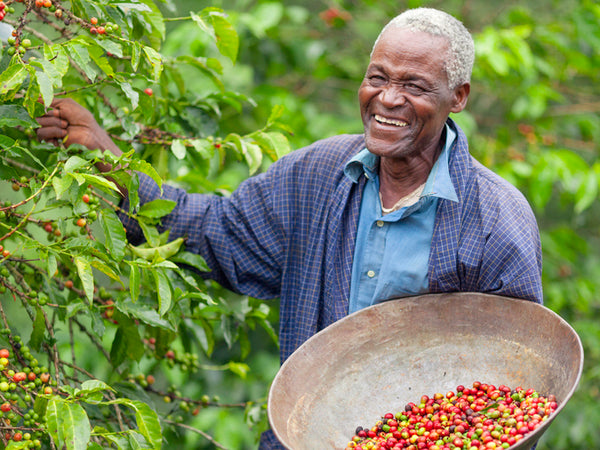
The benefits of Fair Trade include paying farmers a fairer price for their produce and labour. This can help reduce poverty, improve working conditions and support communities through projects such as schools, healthcare and clean water.
Fair Trade also encourages more sustainable farming and helps children think about global justice, responsible choices and the impact of trade on people around the world.
Teaching Fair Trade in KS2
Fair Trade is an excellent topic for KS2 geography because it helps children understand where everyday products come from and how global trade affects people’s lives around the world.
Children can investigate how products such as bananas, cocoa, coffee and cotton are grown, harvested, transported and sold. They can also explore the difference Fair Trade can make to farmers, families and communities.
- Where common Fair Trade products come from
- The journey of food from farm to shop
- The benefits of Fair Trade for farmers and workers
- Ethical consumer choices
- How international trade links the UK with other countries
- How Fair Trade connects to sustainability and global citizenship
Explore Fair Trade through ready-to-teach lessons
If you are teaching Fair Trade in KS2, PlanBee’s ready-to-teach 'What is Fair Trade?' ESR lessons help children explore fairness, sustainability and the impact of global trade through engaging classroom activities.
They include slides, differentiated activities and printable resources, making them ideal for Fair Trade Fortnight, geography lessons or wider global citizenship teaching.

When did Fair Trade start?
The Fair Trade movement began in the 1940s and 1950s.
The first Fair Trade certification was introduced in 1988 by a Dutch non-governmental organisation. The Fairtrade Foundation was established in 1992 by several organisations, including CAFOD, Christian Aid, Oxfam, Traidcraft and the World Development Movement.
Is there more than one Fair Trade logo?
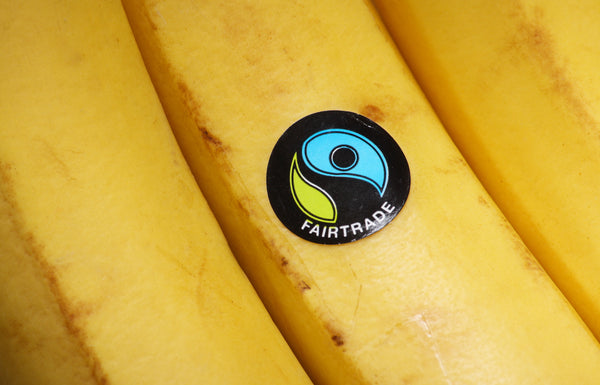
Yes, there is. There are lots of different logos, and each one means something slightly different. You can learn more about them on the Fair Trade Winds website.
The first Fair Trade label was used in 1988. It was created by a Dutch organisation to sell coffee. The label was called Max Havelaar, named after a Dutch book about a character who fought against the mistreatment of coffee farmers.
12 Fair Trade Facts for Kids
- Fair Trade and Fairtrade are not quite the same thing. Fairtrade is a trademarked labelling system, while Fair Trade is the wider movement.
- There are thousands of Fairtrade products available around the world.
- Fairtrade products are sold in many countries across the globe.
- Millions of farmers and workers are involved in Fairtrade-certified producer organisations.
- Fairtrade celebrated its 30th birthday in the UK in 2024.
- Coffee, bananas, chocolate, tea and sugar are some of the most common Fairtrade products.
- The first UK Fairtrade Mark banana was sold in 2000.
- The first product in the UK to get the Fairtrade Mark was Green & Black’s Maya Gold chocolate bar in 1994.
- Fairtrade products can include food and non-food items, such as cotton, flowers and beauty products.
- Fair Trade can help farmers invest in their communities, including schools, healthcare and farming equipment.
- There are Fairtrade schools in the UK that work to raise awareness of Fair Trade issues.
- In 2001, Garstang in Lancashire became the world’s first Fairtrade town.
Fair Trade KS2 Activities
These simple Fair Trade KS2 activity ideas can help children understand the topic in a practical and memorable way.
Fair Trade Product Hunt
Ask children to look for Fairtrade products at home, in school or in local shops. They could record the product, country of origin and Fairtrade logo they find.
Chocolate Supply Chain Investigation
Explore where cocoa beans are grown and trace the journey from cocoa farm to chocolate bar. This is a useful way to show how many people are involved before a product reaches the shop.
Fair Trade Debate
Ask children to debate a question such as: Should schools only buy Fairtrade products? This encourages pupils to think about different viewpoints and use evidence to support their opinions.
Fair Trade Poster Design
Children can create persuasive Fair Trade posters explaining the benefits of Fair Trade and encouraging others to make more ethical choices.
Fair Trade KS2 FAQs
What is Fair Trade in KS2?
Fair Trade is a trading system that aims to give farmers and workers a fairer price for their products and better working conditions.
What are the benefits of Fair Trade?
Fair Trade can help farmers earn a more reliable income, support community projects, improve working conditions and encourage sustainable farming.
Why is Fair Trade taught in KS2?
Fair Trade helps children understand global trade, economic fairness, sustainability and the impact of consumer choices.
What products can be Fair Trade?
Common Fair Trade products include bananas, chocolate, coffee, tea, sugar, cotton, flowers and beauty products.
👉 Explore our Ethical Trade ESR lessons for ready-to-teach Fair Trade activities


19 Comments
I’m in love with this website!
its so good it helped with homework.
This website is so good!
this help me good
fairtrade is good